In a nutshell
- 🌱 Eggshells are ~95% calcium carbonate, acting as a gentle pH buffer and slow-release calcium source that strengthens cell walls and helps prevent tip burn and blossom end rot.
- 🛠️ Practical methods: rinse, bake, then grind to fine powder for mixes, use crushed top-dress in borders, or brew eggshell tea; heat-treat for food safety and faster breakdown.
- 🎯 Best uses and limits: ideal for tomatoes, peppers, courgettes and containers; not a complete N–P–K feed; in alkaline soils consider gypsum for calcium without raising pH; slug deterrent claims are mixed.
- ♻️ Budget and sustainability win: free nutrition that reduces waste and offsets lime purchases; smart pairings with compost, seaweed extract, and coffee grounds amplify results.
- 📈 Strategy that works: apply little and often, grind smaller for speed, and track plant vigour and fruit quality—consistency brings steady, season-on-season improvement.
Britain’s gardens are bursting with life, but budgets are tight and shop-bought feeds keep creeping up in price. Here’s a thrifty fix hiding in plain sight: eggshells. The humble shell, often binned without a thought, is a powerful, slow-release source of calcium and trace minerals that can help keep soil balanced and plants sturdy. Powder them for seedlings, crumble them into borders, or steep them to make a simple tonic. It’s easy. It’s clean. It’s circular. This is one of those rare gardening wins that saves money, reduces waste, and quietly improves soil health over time. Let’s crack open the science and the practice.
Why Eggshells Are a Near-Perfect, Low-Cost Fertiliser
Eggshells are composed of around 95% calcium carbonate, the same primary ingredient in agricultural lime. That makes them a gentle pH buffer and a steady source of calcium, the structural element plants use to build strong cell walls. When calcium is available, tissues form cleanly and consistently; leaves resist tip burn; fruit skins toughen just enough to stay intact. A single medium eggshell contains roughly two grams of elemental calcium—free nutrition that would otherwise go to landfill.
There’s more. The inner membrane carries proteins and tiny amounts of magnesium and phosphorus, while the shell’s porous microstructure offers habitat for beneficial microbes. Crushed into small pieces, shells break down over months, not days. That slow release matters. It means fewer nutrient spikes and a sustained trickle that suits perennials, fruiting crops, and containers where fertiliser leaching is common. Because shells are alkaline, they can gently temper overly acidic soil, especially in regions of high rainfall.
Is this a complete feed? No. Eggshells deliver calcium superbly but contribute little nitrogen or potassium. Think of them as a targeted conditioner rather than a full meal. Pairing shells with compost or seaweed feed gives a rounded profile. Used strategically, eggshells are a precise tool: they stabilise, they fortify, and they do it for pennies.
Simple Kitchen-to-Garden Methods That Work
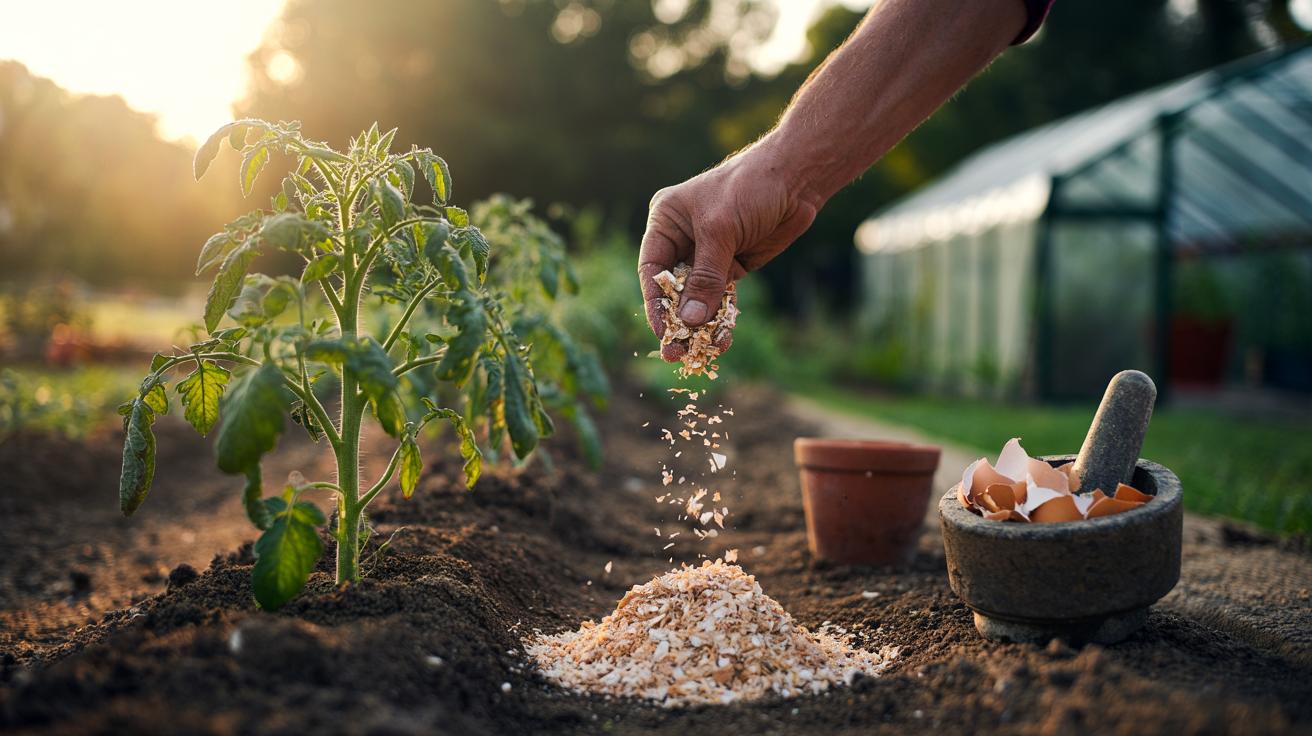
Keep a jar by the hob. Rinse shells, let them air-dry, then bake at 90–120°C for 10 minutes to sanitise and make them brittle. Now the fun part. For rapid availability, blitz in a grinder to a fine powder and add a teaspoon per litre of potting mix for seedlings, or a tablespoon per 5-litre pot. For borders, scatter a mug per square metre and lightly fork in. Powder increases surface area dramatically, speeding breakdown and uptake.
Prefer liquids? Make a mild “eggshell tea.” Cover a handful of finely crushed shells with a litre of boiled water, steep overnight, then strain and water around the root zone. It’s not a miracle brew, but it nudges calcium availability without harsh salts. Top-dressing with coarse crumble also helps soil structure and micro-life as pieces weather down. For food safety, always heat-treat shells if using around edible leaves you’ll harvest soon.
| Method | Preparation | Best For | Timing |
|---|---|---|---|
| Fine Powder | Grind baked shells to flour-like texture | Seedlings, containers, tomatoes | Mix into compost before potting |
| Crushed Top-Dress | Hand-crush to pea-sized grit | Borders, perennials, fruit bushes | Spring and autumn |
| Eggshell Tea | Steep crushed shells in hot water overnight | Gentle boosts, light feeders | Monthly during growth |
An important note on pests: the common claim that sharp shells deter slugs is mixed at best. Some gardeners swear by it; many see slugs glide right over. Use shells for nutrition first, and integrate proper barriers or night patrols for slug control.
When Eggshells Shine—and When They Don’t
Eggshells shine in calcium-hungry scenarios. Think tomatoes, peppers, and courgettes, which are prone to blossom end rot under calcium stress and inconsistent watering. In container gardens, where nutrients leach quickly, shells help keep a baseline of available calcium as mixes age. They also support heavy-cropping soft fruit—strawberries, raspberries—where firm cell walls mean firmer, longer-lasting fruit. Match shells to plants that translate calcium into measurable resilience and yield.
They’re less effective if you need fast correction in a single season. Calcium moves with water in plants; if roots are dry or damaged, no amendment fixes the symptom overnight. Highly alkaline soils (chalky areas common in parts of the UK) may not benefit from the extra carbonate either. In such conditions, gypsum (calcium sulphate) supplies calcium without altering pH. Remember, eggshells are not a substitute for balanced N-P-K. If leaves are pale and growth is sluggish, you still need nitrogen from composts or organic feeds.
Application mistakes are easy to avoid. Don’t dump whole halves into a bed and expect quick results—they’ll linger for years. Grind smaller. Don’t rely on shells to “sweeten” soil by a full pH point; they act slowly and modestly. And keep hygiene in mind with edible crops—bake shells first. Realistic expectations are your best ally: steady improvement, not instant fireworks.
Cost, Sustainability, and Smart Pairings
Financially, this is a home run. A dozen eggs per week can yield more than 100 grams of crushable material a month. That’s not only enough to pad out potting mixes and dress containers, it offsets small purchases of lime or specialist calcium feeds. This costs virtually nothing and cuts household waste. From a sustainability angle, you’re turning a kitchen by-product into a soil amendment with almost zero transport emissions. It’s tidy, local, and fully compostable if any residue remains.
Pairing is where eggshells truly sing. Fold fine powder into compost or worm-cast mixes to stabilise acidity and build crumb structure. Use with seaweed extract for trace elements and natural growth hormones. Add a sprinkle alongside coffee grounds to moderate acidity and feed microbes a varied diet. If you’re adventurous, some gardeners dissolve shell powder in vinegar to make a fast-acting calcium acetate solution—use sparingly and test on a small area first, as it’s potent.
Track results like a pro. Note plant vigour, fruit quality, and any leaf-edge issues before and after adding shells. Over a few seasons, patterns emerge. You’ll likely find tomatoes crack less, peppers hold shape, and perennial beds need fewer store-bought inputs. Small, regular applications outperform occasional, heroic doses—consistency grows the best gardens.
From balcony pots to allotment rows, eggshells give soil a steady hand and plants a quiet backbone. They’re not a silver bullet, but they are a precise, elegant tool for thrifty growers who like results that last beyond a single season. Use them where they count, pair them smartly, and keep quantities modest but regular. As costs rise and sustainability matters more than ever, this is one change that sticks. How will you start folding eggshells into your gardening routine, and which crops will you test first to see the difference?
Did you like it?4.5/5 (24)