In a nutshell
- 🧪 Acetic acid in vinegar neutralises alkaline odour molecules (like amines) on contact, lowers pH to suppress microbes, and cuts VOCs, explaining why results arrive in mere minutes.
- ⚙️ Choose distilled white vinegar for deodorising; adjust dilution by surface (e.g., 1:1 for hard surfaces, milder for fabrics), use a microfibre cloth, ventilate, and never mix with bleach to avoid chlorine gas.
- 🏠 Room-by-room wins: wipe fridge seals, steam-clean microwaves with a vinegar mix, spray and rinse bins, target bathroom urine salts and drains, lightly mist fabrics and shoes, and add white vinegar to the laundry rinse.
- ⚠️ Know the limits: avoid marble, limestone, and sensitive metals; persistent smoke, deep cat urine, mould, or off-gassing often need activated carbon, enzyme cleaners, ventilation, or professional treatment.
- ⚡ Fast workflow: apply the right strength, allow short contact, wipe to remove residues, then air out—delivering a chemical fix, not a cover-up, for stubborn household smells.
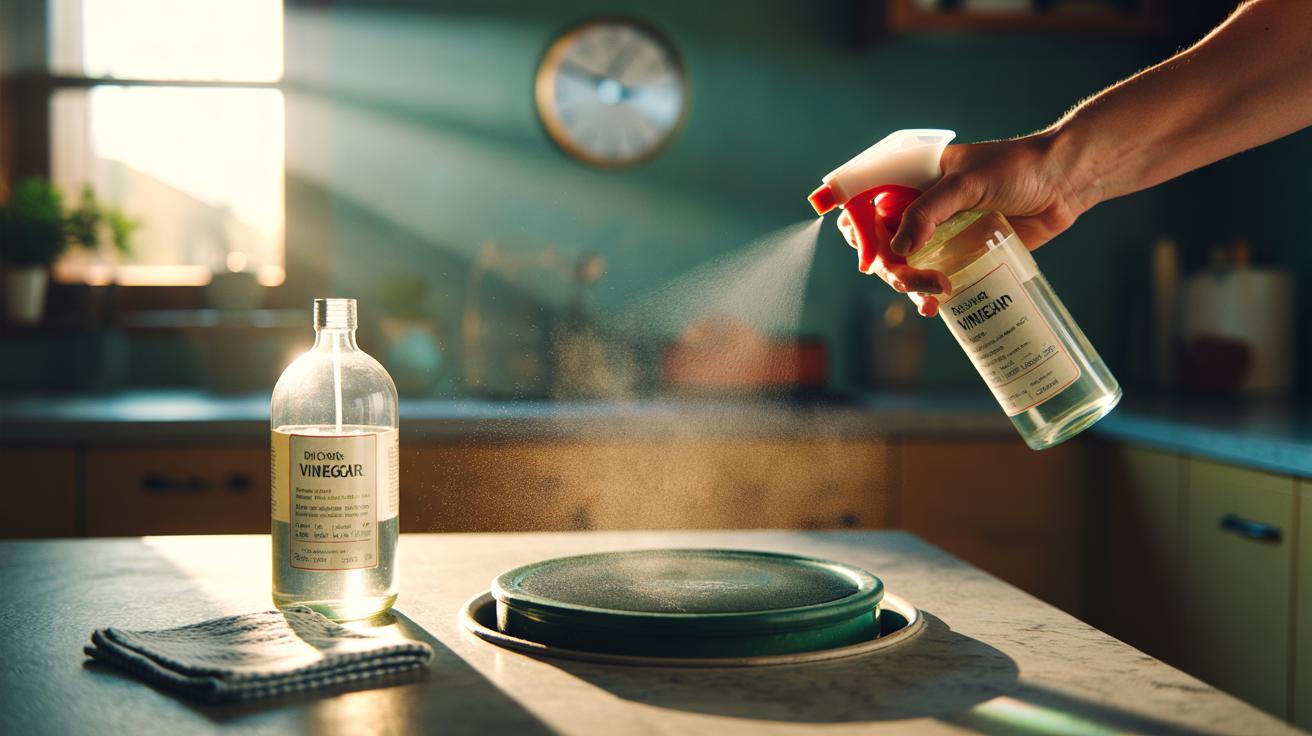
Persistent smells have a way of colonising rooms, clinging to fabrics, and outstaying their welcome. Yet a humble bottle of vinegar often clears the air in minutes. What feels like a folk cure is grounded in chemistry. Acetic acid alters the behaviour of odour molecules and curbs the microbes that emit them. It’s fast, cheap, and already in most kitchen cupboards. A quick spritz on a bin lid, a wipe along a fridge seal, a bowl left on a windowsill – results appear swiftly. Vinegar doesn’t perfume; it transforms the problem at source. Here’s why it works so quickly, how to use it, and when to reach for something else.
The Science: How Acetic Acid Neutralises Odour Molecules
At the heart of household vinegar is acetic acid, typically 5–8% by volume. Many malodours owe their punch to alkaline compounds such as amines from fish, sweat, or bins. When acetic acid meets those bases, it forms ammonium or amine salts. These are less volatile, so fewer smelly molecules reach your nose. That’s why vinegar often works within minutes: it doesn’t wait for evaporation alone; it changes the chemistry on contact.
There’s more at play. Acetic acid lowers pH, a hostile shift for many odour-producing bacteria. By stressing or killing these microbes, it cuts the production of volatile organic compounds (VOCs) that build and linger. Its small, mobile molecules also penetrate porous grime and films where stink hides, loosening residues so a quick wipe removes them. In fabrics, a light mist can help break ionic bonds between fibres and residues, aiding release during blotting or laundering.
Speed matters in real homes. Vinegar’s high water content acts as a carrier, spreading acid evenly across surfaces, while its modest vapour pressure helps it reach crevices. The combined effect is rapid: acid–base neutralisation in seconds, microbial suppression in minutes, and physical removal with a cloth or rinse. It’s a chemical fix, not a cover-up, which is exactly why it feels decisive.
Choosing the Right Vinegar and Dilution for Fast Results
Not all vinegars behave the same. For odours, you want minimal by‑smell and predictable strength. Distilled white vinegar leads the pack. Avoid scented, coloured, or malt vinegars for deodorising; their own aromas can linger and confuse the result. Concentration and contact time dictate speed, but surface safety matters too, so adjust your dilution accordingly.
| Vinegar Type | Acetic Acid (%) | Best Uses | Typical Dilution | Contact Time |
|---|---|---|---|---|
| Distilled White | 5–8 | Bins, hard surfaces, fridges | 1:1 with water | 2–5 minutes |
| Cleaning Vinegar | 6–10 | Persistent odours, grout, drains | 1:2 with water | 3–10 minutes |
| Apple Cider | 5–6 | Laundry rinse, soft furnishings | 1:3 with water | 5–10 minutes |
For food-contact areas, start milder; increase strength only if the smell persists. On textiles, test a hidden patch. Avoid natural stone (marble, travertine, limestone), where acid can etch. Be cautious with unfinished wood and some metals like aluminium and mild steel. Never mix vinegar with bleach; acetic acid plus hypochlorite can release dangerous chlorine gas. For speed, keep a ready 1:1 spray of white vinegar and water, use a microfibre cloth to lift residues, and ventilate to move vapours away once the chemistry has done its job.
Speedy Techniques Room by Room
Kitchen first. For a smelly fridge, wipe seals, shelves, and trays with a 1:1 white vinegar solution; leave a shallow bowl inside for ten minutes to absorb and neutralise escaping amines, then remove. Microwave: heat a cup of vinegar and water until steaming, let sit two minutes, then wipe – the acid loosens films while steam lifts them. Bins respond to a robust spray, a three-minute dwell, and a thorough rinse; dry fully to halt microbial bounce-back. Grease and odour films are partners—break the film and the smell goes with it.
In bathrooms, spritz around the loo base, grout lines, and drains. The acid disrupts alkaline urine salts and slime, reducing the dull “public loo” tang that clings even after detergent. Let it stand five minutes, then scrub lightly. For musty cupboards, place a small open dish of vinegar for half an hour with the door ajar, then remove and wipe surfaces dry. On fabrics – sofa arms, curtains, gym kit – mist lightly from 30 cm, wait a few minutes, and blot. You’re not soaking; you’re creating a thin reactive layer that captures odour molecules without saturating fibres.
Dealing with shoes or pet zones? Wipe insoles with a barely damp cloth of vinegar solution, allow five minutes, then air thoroughly. For pet accidents on sealed floors, neutralise with vinegar, blot, then clean with a mild detergent. In laundry, add 120–240 ml of white vinegar to the rinse to quell sweat smells and detergent build-up. Short contact, right strength, immediate ventilation—these three steps deliver speed.
Limits, Safety, and Smells Vinegar Cannot Conquer
Vinegar is not a wand for every whiff. Acid should never touch marble, limestone, or cement-based stone; it etches and dulls the finish. On natural rubber seals and some metals it can hasten corrosion, so rinse and dry after treatment. If a room reeks of solvent, gas, or burning electrics, step away and address the hazard. Odour can be a safety signal—don’t neutralise what you should investigate.
Certain smells resist acetic acid. Old cigarette smoke embedded in plaster, chipboard, and textiles may need activated carbon, sealing primers, and professional cleaning. Cat urine that penetrated underlay requires enzyme treatments and, sometimes, replacement. Mould odours demand moisture control; vinegar can help on hard, non-porous surfaces but is no fix for structural damp or porous growth. New furniture off-gassing often responds better to ventilation and sorbents than to acid wipes.
A smart method pairs vinegar with other low-tech tools. Use bicarbonate of soda as a dry sorbent after the acid step has neutralised bases; never at the same time, or you waste both. For air, run HEPA plus carbon filtration. Above all, target the source: wash fabrics, empty and clean bins, deep-clean drains. When the cause persists, deodorising becomes an endless loop. Vinegar wins because it tackles chemistry quickly, but only when you aim it where chemistry counts.
Vinegar’s power is disarmingly simple: quick neutralisation, microbial suppression, and residue removal, all with a bottle you likely already own. Used thoughtfully, it trims waiting time from hours to minutes and turns chronic smells into brief inconveniences. Respect its limits, choose the right strength, and give the solution a few quiet minutes to work before you wipe. Then open the window, and the difference often feels immediate. Which stubborn smell in your home will you challenge first—and where will you start the clock?
Did you like it?4.5/5 (26)