In a nutshell
- 🍋 Lemon juice’s citric acid dissolves alkaline soap scum and limescale fast, restoring glass, porcelain, and chrome.
- ⚗️ Mechanism: low pH and gentle chelation loosen mineral bonds, so a simple apply, wait, wipe, rinse clears buildup.
- ⏱️ Five-minute method: soak a microfiber with lemon juice, leave 3–5 minutes, light scrub, rinse and buff; add a pinch of salt for stubborn edges.
- 🚫 Surfaces guide: safe on glass, ceramic, chrome; avoid marble, limestone, travertine and be cautious with unsealed grout and brass.
- 🧴 Safety & storage: never mix with bleach, wear gloves if sensitive; store fresh juice briefly or use a 2–5% citric acid solution in a spray.
Forget harsh bleaches and eye-watering fumes. In the time it takes to boil a kettle, a humble lemon can cut through bathroom grime and leave taps gleaming. The secret is chemistry you can smell. Fresh lemon juice is rich in citric acid, a natural solvent that breaks down alkaline soap scum and chalky limescale. It’s quick, cheap, and astonishingly effective on fixtures that have lost their shine. Five minutes is often all you need. Used smartly, this fruit restores glass, porcelain and chrome to showroom clarity, while keeping your cleaning routine low-waste and low-tox. Here’s how to make the most of it—fast.
Why Lemon Juice Works on Soap Scum
Soap scum is a stubborn mix: fats from soaps bind to minerals in hard water, creating a filmy, alkaline residue that clings to surfaces. Lemon juice tackles that from two angles. First, its low pH dissolves alkaline deposits on contact. Second, citric acid acts as a gentle chelating agent, binding calcium and magnesium so they lift away more easily. This is targeted chemistry, not just a fresh scent. You’ll see it most clearly on glass shower doors and chrome taps where water spots bloom.
There’s also a practical bonus. Lemon’s light acidity softens biofilm slime, making mechanical action—your cloth or brush—work faster. Think of it as a pre-softener for grime. Use it undiluted for heavy buildup, or slightly diluted for routine wipes. It isn’t a hospital-grade disinfectant, but for everyday bathrooms, the shine speaks for itself. Hard water marks, mineral rings around drains, and dull, streaked fixtures are prime candidates. Apply, wait, wipe, rinse. That small pause is where the magic happens.
Five-Minute Method: Step-by-Step
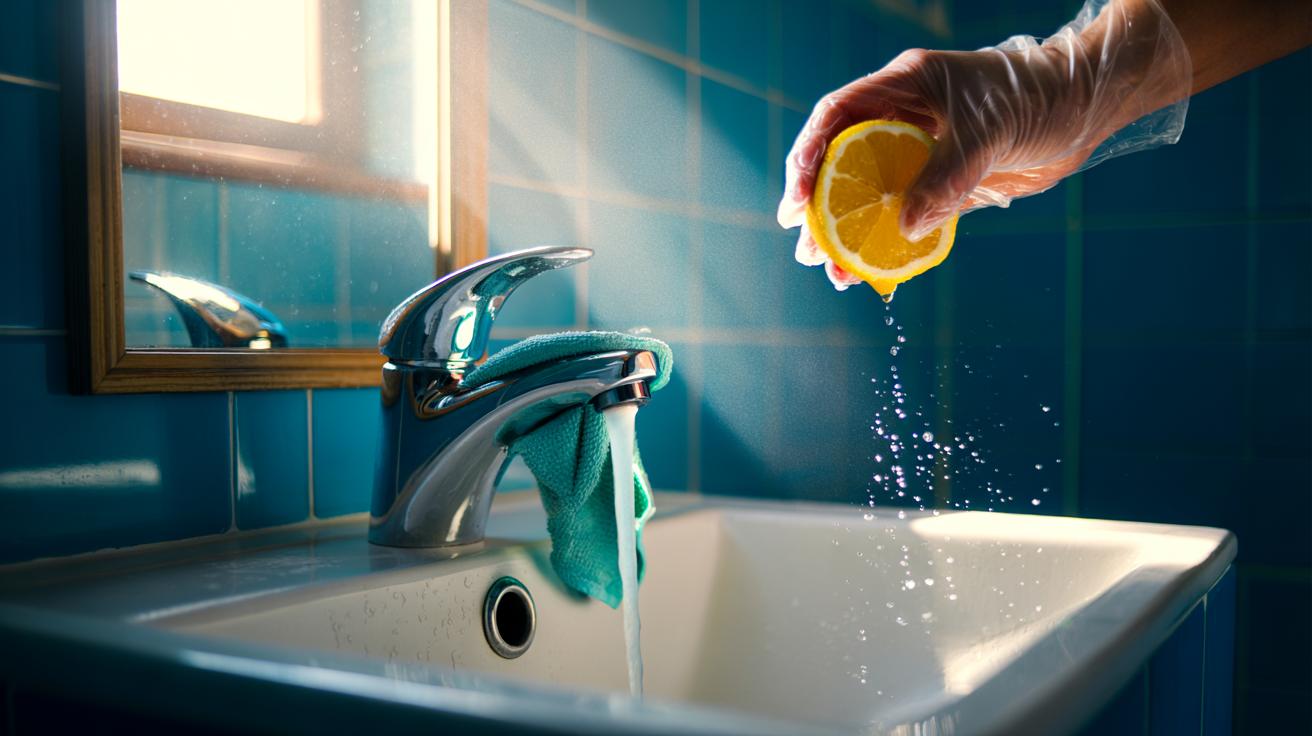
Slice a fresh lemon and squeeze into a small bowl, or pour bottled lemon juice. For crusty limescale, warm it briefly (not boiling) to boost action. Soak a microfiber cloth in the juice and drape it over taps, handles, or the shower head. For vertical glass, rub the juice on, then re-wet the cloth and press it against the surface. Let it sit for three minutes—don’t rush this. The acid needs time to loosen the bonds.
Remove the cloth and scrub lightly. A soft brush helps in grout lines and around fixtures. Rinse well with warm water and buff dry with a clean towel to prevent new spots. Stubborn edges? Repeat once, or add a pinch of table salt as a mild abrasive for corners. For weekly maintenance, mix 1 part lemon juice to 2 parts water in a spray bottle and mist after showers. Consistency keeps scale from returning. The five-minute routine quickly becomes two.
Where It Shines—and Where It Doesn’t
Used wisely, lemon juice is a star on glass, ceramic sinks, chrome, acrylic trays, and sealed grout. It restores clarity without leaving hazy residue, especially on shower screens that collect misted minerals. But acids and natural stone do not mix. Avoid marble, limestone, travertine, and concrete; even brief exposure can etch the surface. Be cautious with older enamel and unsealed grout where prolonged contact may dull finishes. Rinse metals like brass or bronze promptly to prevent tarnish.
| Surface | Use Lemon Juice? | Wait Time | Notes |
|---|---|---|---|
| Glass & ceramic | Yes | 3–5 minutes | Buff dry to avoid spots |
| Chrome & stainless steel | Yes | 2–4 minutes | Rinse well, dry immediately |
| Sealed grout | Yes, brief | 1–3 minutes | Test first; rinse thoroughly |
| Marble/limestone | No | — | Will etch and dull |
| Unsealed metal (brass) | Use with care | 1–2 minutes | Rinse fast; dry to prevent tarnish |
When in doubt, patch-test in an unseen spot. A quick check saves costly refinishing later.
Safety and Smart Storage Tips
You’re cleaning with food-grade acid, but it still deserves respect. Never mix lemon juice with bleach—acids can release dangerous chlorine gas. Skip mixing with baking soda during the soak; they neutralise each other and weaken the effect. Wear gloves if you have sensitive skin and ventilate small rooms. Keep juice out of crevices of plated fixtures where trapped liquid can corrode over time. Rinse, then dry. That final buff is your streak-proof insurance.
Freshly squeezed juice quickly loses potency. Make only what you need, or refrigerate for up to a week in a labelled bottle. For a reliable standby, dissolve citric acid powder at 2–5% in warm water (about 2–5 g per 100 ml). It’s stable, inexpensive, and consistent. Decant into a spray with a fine mist for even coverage. Store away from children and pets. Mark the date, and replace monthly for best results and fragrance.
In five focused minutes, lemon juice can strip away weeks of bathroom buildup, leaving fittings bright and glass crystal-clear without a cupboard full of synthetic cleaners. The method is simple, the results are immediate, and the ecological footprint is tiny compared with single-use sprays. Citric acid targets the grime you see every day, not just the smell. Ready to swap stingy fumes for citrus and shine—what surface in your bathroom will you test first, and how will you tweak the routine to fit your space?
Did you like it?4.8/5 (21)