In a nutshell
- 🔬 Focus is powered by anticipation: dopamine fires to expected rewards via reward prediction error, boosting salience and making priority cues stand out.
- 🎯 Design dopamine-friendly routines with clear cues (timer chime, checklist, clean desk); build a 30-second cue stack and use temptation bundling to make starting irresistible.
- ⏱️ Convert big goals into micro-goals (5–10 minutes), set implementation intentions, and close open loops to create fast wins that compound into sustained focus.
- 🚫 Avoid derailing variable rewards (notifications, feeds) by batching alerts, adding friction to time-wasters, and using a re-entry note to preserve momentum when switching tasks.
- 🧭 Keep it sustainable: pair intensity with recovery, prioritise task-specific cues over pseudo-work, and treat dopamine as a tool for ethical, long-term motivation.
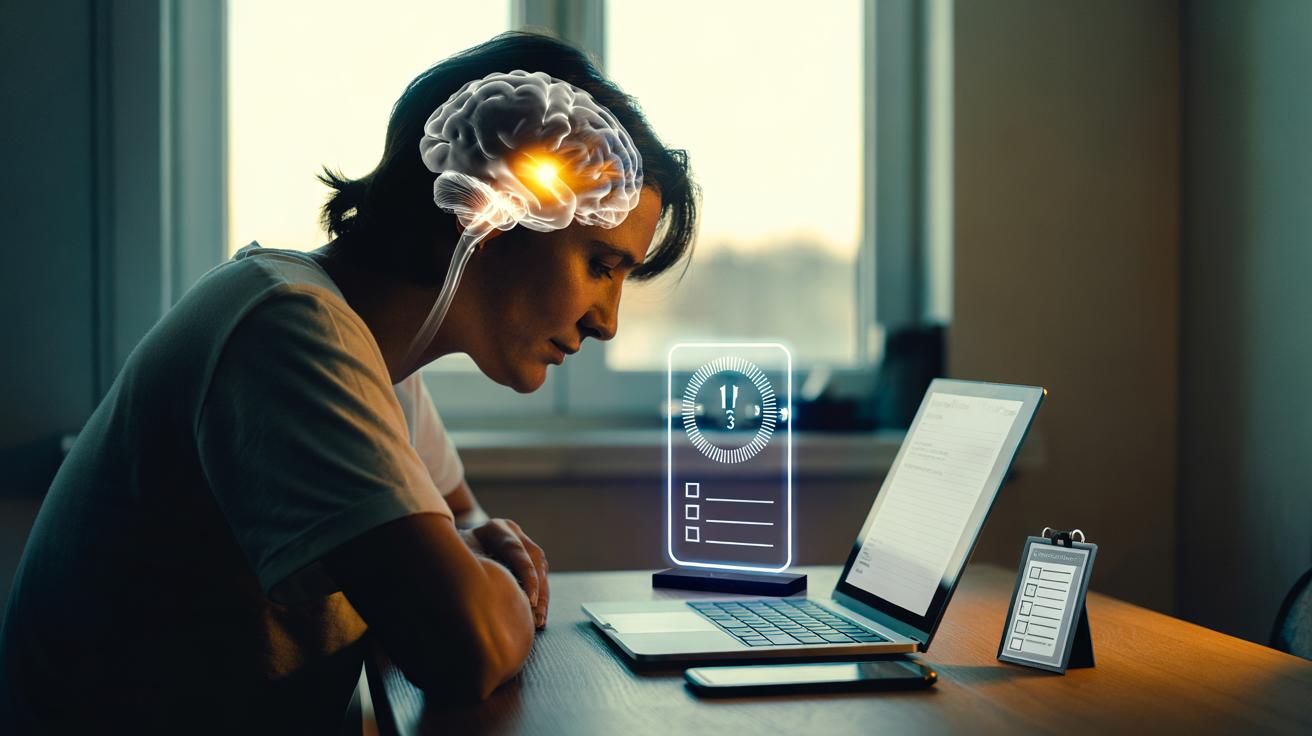
Across Britain’s coffee-fuelled desks and commuter trains, one neurological force stands out as the hidden accelerator of concentration: dopamine. It’s not simply the “pleasure chemical.” It’s the messenger of anticipation, the whisper that a valuable outcome is near. That whisper sharpens attention. It narrows options. It nudges you to start. When you crave sharper focus in seconds, the most powerful lever is often the moment before you act. Shape anticipation and you shape behaviour. The right cue, a vivid preview of reward, and a clear first step can flip the brain from dithering to doing. This is motivation at its most practical.
The Neuroscience of Anticipation and Motivation
In the brain, dopamine surges not only when you receive a reward but also when you expect one. That expectation is measured through a mechanism called reward prediction error: if reality looks better than predicted, dopamine spikes; if worse, it dips. The upshot is simple. Anticipation, not the reward itself, often drives effort. The prospect of progress makes tasks feel meaningful. It marks certain cues—your calendar alert, a tidy desk, a countdown timer—as high-value signals.
These signals boost salience, the brain’s way of prioritising what matters right now. With heightened salience, distractions fade and micro-decisions become automatic. Studies from labs in London to New York show that dopamine neurons fire to cues that reliably forecast a result, building a habit loop that links trigger, action, and payoff. Crucially, timing matters. The closer the expected payoff, the stronger the pull, a phenomenon known as temporal discounting. Hence the power of near-term milestones: they compress time, dial up anticipation, and turn slog into momentum.
There’s a subtle twist. If the outcome is uncertain but the potential feels meaningful, the system perks up. Variable rewards, used by slot machines and social media, hijack attention. Harnessed ethically, variability can make legitimate work exciting: switch contexts intelligently, set surprise checkpoints, or add a playful challenge. Just ensure the variability serves the goal, not the other way round.
From Cue to Action: Designing Dopamine-Friendly Routines
Peak focus begins one step earlier than most people think. The moment you craft a compelling cue—visual, auditory, or social—you spark anticipation. That cue should preview a concrete, bite-sized outcome. A Pomodoro bell signals a 25-minute sprint and a short break. A pre-written sticky note promises a single paragraph drafted. Design the moment before the work, not just the work itself. Make the start line irresistible and specific.
| Trigger | Anticipation Cue | Dopamine Effect | Practical Tip |
|---|---|---|---|
| Timer chime | 25-minute sprint + 5-minute break | Near-term reward increases salience | Start with the easiest sub-task |
| Visual checklist | Three clear checkboxes | Progress markers amplify anticipation | Tick in pen for physical feedback |
| Social nudge | Buddy start message | Reputation stakes heighten motivation | Send proof-of-work at finish |
| Environmental cue | Cleared desk + single document | Reduced noise strengthens focus | Hide all tabs except one |
Build a “cue stack” that fires in 30 seconds: set a countdown, open one file, place your phone out of reach, and leave a treat—tea, music, sunlight—waiting at minute 25. Temptation bundling works: pair a valued activity with the first minutes of work. The brain learns that starting leads somewhere good. Keep friction low. One click to begin, not ten. When the start is clear and the payoff is visible, the motivational engine lights immediately.
Protect the loop. If a cue sometimes leads to doomscrolling, retrain it. Shift the trigger or change the environment. Reward consistency over heroics. Small wins, repeated, beat dramatic bursts followed by burnout.
Micro-Goals, Macro Gains: Turning Anticipation Into Focus
Grand ambitions often stall because the brain discounts distant rewards. Micro-goals smuggle the future into the present. Define a task you can complete in 5–10 minutes that undeniably moves the needle. Make the goal unmissable, the start visible, and the end celebratory. Write one email. Label three datasets. Sketch two headlines. Each completion closes an open loop, creating a dopamine uptick that primes the next start. It’s a virtuous ratchet: success breeds anticipation; anticipation breeds focus.
Use implementation intentions: “If it’s 9:05, then I draft the intro.” Set precommitments to reduce choice overload. Place the first file in your dock, not buried in folders. Add a progress bar that fills quickly at the start—front-loading visible gains boosts motivation. For bigger projects, blueprint the first hour only. The brain doesn’t need the whole map to move; it needs a compelling first step and a credible waypoint.
Signal completion with tangible feedback. Tick boxes. Ring a bell. Swap a chair stretch for a social scroll. Then escalate gradually: 10 minutes becomes 15, one page becomes two. Avoid “all or nothing.” Sustained focus is cumulative, not explosive. The arithmetic of progress is modest and relentless.
Avoiding Traps: When Dopamine Derails Focus
Not all anticipation helps. Variable, fast-feedback rewards—notifications, newsfeeds, endless inbox checks—create a loop that fragments attention. They promise novelty. They deliver jitter. Not all dopamine is helpful for focus. The fix is architectural. Batch alerts at set times. Turn off red badges that scream urgency. Place your phone face down and out of sight; visibility alone can reduce capacity. Install friction on time-wasters: one extra login, a site blocker during sprints, or a grayscaled screen that saps allure.
Beware pseudo-work cues. A full calendar, a buzzing chat, or a spotless desk can feel productive while masking avoidance. Replace them with task-specific cues: open the exact spreadsheet, highlight the sentence to revise, pull the dataset you’ll clean. Raise the cost of context switching. If you must switch, create a re-entry note before you leave: “Next, test column joins on rows 1–500.” This micro-instruction preserves momentum and primes a fresh anticipatory burst when you return.
Ethics matter. Don’t manipulate yourself into overwork. Pair intensity with recovery. Schedule white space. Give the brain true rewards—movement, daylight, connection—so that your motivational system isn’t starved and scavenging for noise. Healthy anticipation is sustainable. It looks like clarity, not compulsion.
Dopamine isn’t destiny. It is a tool—responsive, trainable, and surprisingly fast to act when you give it a reason. Craft cues that promise progress, choose micro-goals that close loops, and protect your attention from counterfeit rewards. In minutes, your brain can switch from drifting to directed. In weeks, you can embed a habit loop that makes focus routine rather than rare. The challenge is to design the start so well that starting becomes easy. What single cue will you set today that makes the first step irresistible tomorrow?
Did you like it?4.4/5 (29)